
Spring Pest Inspection Checklist for Pennsylvania Homes (May 2026)
A practical spring pest inspection checklist for Pennsylvania homeowners. Cover foundation cracks, basement moisture, attic gaps, and perimeter landscaping before summer pest season.
Our Certified Entomologists
Pennsylvania Pest Services
Spring pest inspection in Pennsylvania is not just a routine task. It is a preventive step that directly determines whether your home stays protected or becomes vulnerable during peak pest season. By the time summer arrives, most infestations are already established. Homeowners searching spring pest inspection Pennsylvania are usually trying to get ahead of that curve, and the timing matters. March through May is when small structural and environmental issues turn into entry points and breeding zones.
This checklist is designed to be practical and specific. The goal is to identify early risk factors before pests scale into full infestations.
1. Foundation Cracks and Entry Points
Start with the exterior foundation. Even small cracks around the base of your home can allow ants, spiders, and termites to enter. Pay close attention to gaps around utility lines, vents, and where the foundation meets siding. In Pennsylvania, freeze thaw cycles during winter often expand these cracks, making spring the first time they become active entry points. Searches like ants coming through walls Pennsylvania or termite entry points foundation are usually tied to these unnoticed openings.
2. Basement Moisture and Damp Zones
Basements are one of the highest risk areas in spring due to snowmelt and seasonal rain. Check for standing water, condensation on pipes, and musty odors. Moisture attracts pests like cockroaches, silverfish, and termites. Homes in older parts of Pennsylvania, especially in cities with aging infrastructure, tend to have higher basement humidity levels. Queries such as basement bugs spring Pennsylvania and moisture pests Pennsylvania often originate from this issue.
3. Attic Inspection and Insulation Gaps
Attics are often ignored, but they are a common entry and nesting area for rodents and insects. Look for signs like droppings, chewed wires, or disturbed insulation. Small roofline gaps or vents without proper sealing allow mice and insects to enter as temperatures rise. Searches like mice in attic spring Pennsylvania or attic pest inspection Pennsylvania reflect early stage infestations that begin here before spreading downward.
4. Exterior Perimeter and Landscaping
Walk the perimeter of your home and assess how close vegetation is to the structure. Overgrown bushes, mulch beds, and wood piles create ideal hiding and breeding areas. Termites and ants, in particular, use these as staging zones before entering the home. Keep mulch at least a few inches away from the foundation and trim back any branches touching the house. Common searches such as termites in mulch Pennsylvania and bugs around house foundation spring point directly to perimeter issues.
Why This Checklist Matters Before Summer
Doing this inspection before summer gives you a measurable advantage. Most pest problems escalate when early warning signs are ignored. Addressing these areas in spring reduces the likelihood of infestation during peak months when treatment becomes more expensive and more invasive.
Our Professional Inspection Process
At Pennsylvania Pest Services, we use this same checklist as part of our inspection process, but with a more detailed assessment tied to local pest patterns. We identify not just visible issues but also predictive risk zones based on how pests behave in Pennsylvania's climate. By resolving these vulnerabilities early, we help prevent infestations rather than reacting to them later when costs and damage are higher.
Frequently Asked Questions
How often should I inspect my Pennsylvania home for pests?
What are the most overlooked areas during a home pest inspection?
Ready to Protect Your Home?
Get a free inspection from Pennsylvania's trusted pest control experts. No obligation, no pressure.
Explore Our Pest Library
Identify Pennsylvania pests and learn about professional treatment options.
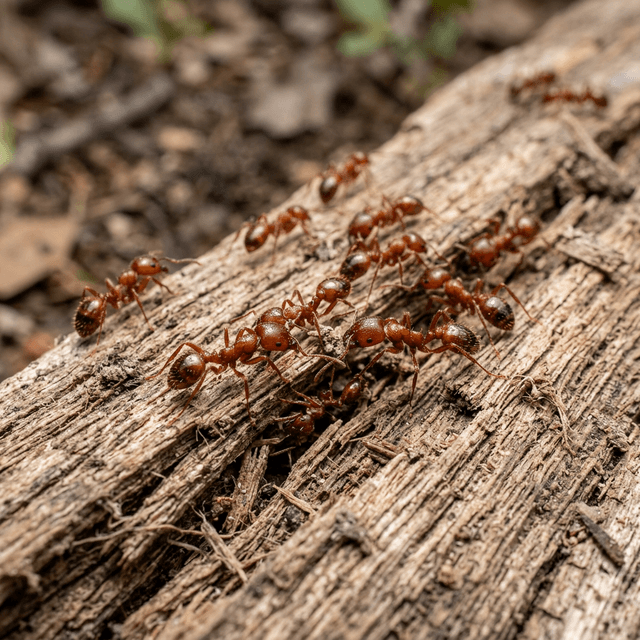
Ants
From pavement ants to carpenter ants, we identify and eliminate ant colonies at their source.
Learn more →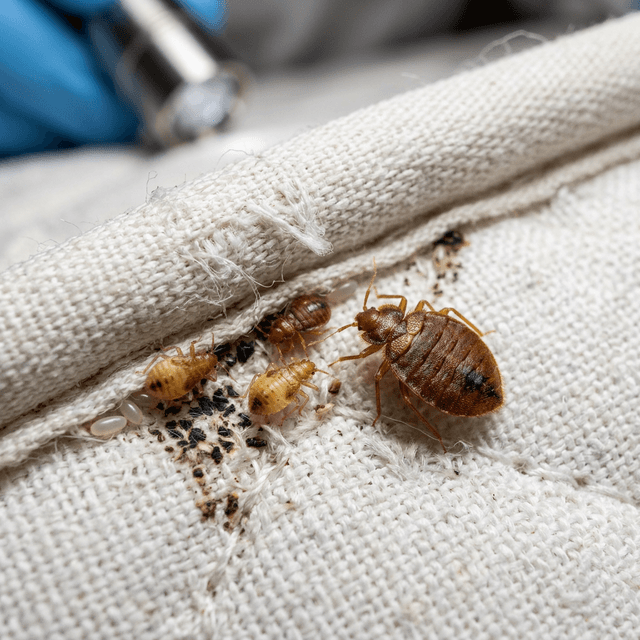
Bed Bugs
Heat treatments and targeted pesticide applications to fully eradicate bed bug infestations.
Learn more →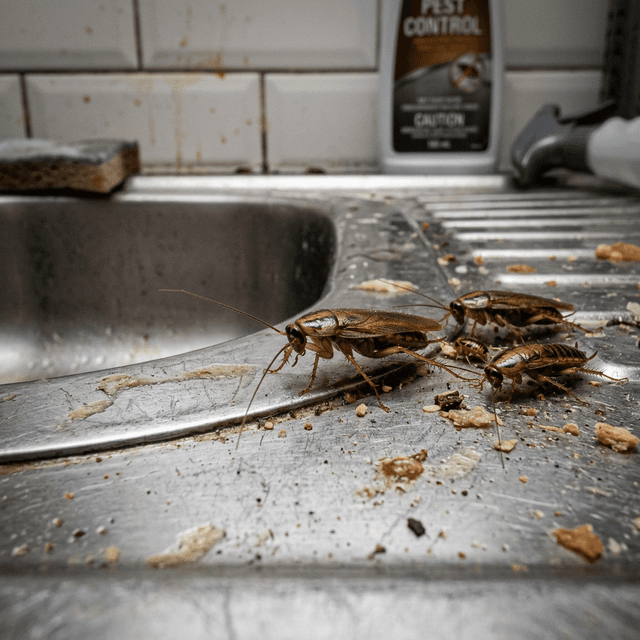
Cockroaches
Comprehensive cockroach elimination with gel baits, IGRs, and preventive exclusion methods.
Learn more →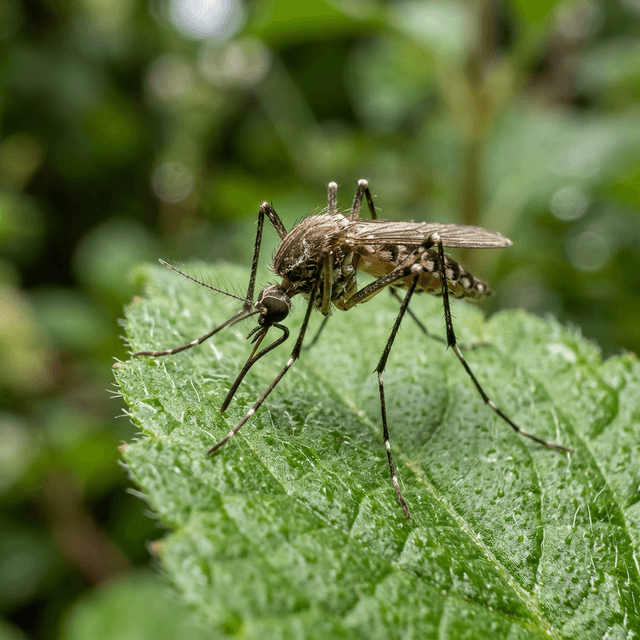
Mosquitoes
Barrier treatments and larval source reduction to protect your family from mosquito-borne illness.
Learn more →