
Rodent Control in Pennsylvania: Why Mice and Rats Are a Growing Problem for Homeowners
Searching for rodent control in Pennsylvania or mouse exterminator near me? Learn why mice and rats are a growing problem across PA, the warning signs of infestation, and how professional exclusion stops them for good.
Our Certified Entomologists
Pennsylvania Pest Services
If you are searching for rodent control in Pennsylvania, mouse exterminator near me, rat removal services, or how to get rid of rodents in your home, you are not alone. Rodent activity remains one of the most common pest problems across Pennsylvania, affecting homes, apartment buildings, restaurants, warehouses, and commercial properties throughout the state.
From the historic rowhomes of Philadelphia to the suburban communities surrounding Pittsburgh, rodents adapt quickly to changing environments and can establish nests inside homes long before property owners notice the warning signs.
Call (844) 578-0573 if you suspect rodent activity and want a professional inspection before a minor issue becomes a major infestation.
Why Rodents Thrive in Pennsylvania
Pennsylvania's climate creates ideal conditions for rodents throughout the year. Warm summers provide abundant food and nesting opportunities, while cold winters drive mice and rats indoors in search of shelter. Several factors contribute to persistent rodent problems across the state:
- Older housing stock with structural gaps and deteriorating foundations
- Dense urban neighborhoods with shared walls allowing colony migration
- Agricultural regions that provide abundant outdoor food sources
- Expanding suburban developments disrupting natural nesting areas
- Basements, crawlspaces, and attics that offer undisturbed shelter
- Seasonal temperature changes that push rodents indoors beginning in fall
Rodents can squeeze through surprisingly small openings, making even well-maintained properties vulnerable. A house mouse can enter through a gap as small as a dime, and a Norway rat needs only a quarter-sized opening to gain access.
The Most Common Rodents in Pennsylvania
Three primary rodent species account for the majority of infestations in Pennsylvania homes and businesses. Identifying which species you are dealing with is the first step toward effective control.
House Mice
House mice are among the most frequently reported rodents in Pennsylvania homes. They are small, gray-brown in color, and highly adaptable. A single pair of mice can produce up to 60 offspring per year, which is why early intervention is critical. Common signs of house mice include:
- Small droppings near food storage areas, cabinets, and pantries
- Scratching noises inside walls, especially at night
- Chewed food packaging and gnaw marks on containers
- Nesting materials such as shredded paper, insulation, and fabric
Norway Rats
Norway rats are commonly found in urban environments, especially near food sources and aging infrastructure. They are larger than house mice, with brown-gray fur and blunt noses. These rodents often:
- Burrow around foundations and beneath concrete slabs
- Nest beneath decks, sheds, and porch structures
- Travel through sewer systems and storm drains
- Enter structures through damaged utility penetrations and pipe gaps
Roof Rats
Although less common than Norway rats, roof rats can be found in some Pennsylvania communities, particularly in areas with mature tree cover. They are dark brown to black with pointed noses and tails longer than their bodies. They frequently nest in:
- Attics and upper-level wall voids
- Rooflines and soffit gaps
- Tree canopies overhanging structures
- Upper structural voids near HVAC systems
Pennsylvania Cities With Significant Rodent Activity
Philadelphia
Philadelphia's dense rowhouse neighborhoods, narrow alleyways, high-volume restaurant districts, and aging infrastructure create ideal conditions for rodent populations. Areas with high food density and shared walls between buildings often experience recurring rodent pressure that requires ongoing professional management.
Pittsburgh
Pittsburgh's hillside construction, older housing stock, deep basements, and river corridors contribute to year-round rodent activity. Properties near waterways and wooded hillsides are especially susceptible to Norway rat burrowing and seasonal mouse migration.
Harrisburg
As a transportation and logistics hub, Harrisburg experiences rodent pressure around warehouses, distribution centers, commercial properties, and residential developments near industrial corridors.
Allentown and Bethlehem
Rapid suburban growth and mixed residential-commercial development in the Lehigh Valley create opportunities for rodent migration into homes and businesses as construction displaces existing colonies.
Signs You Need Professional Rodent Control
Many infestations remain hidden until populations grow significantly. Understanding the warning signs helps homeowners act before damage escalates and remediation costs increase.
Rodent Droppings
Fresh droppings are one of the clearest indicators of active rodent activity. Mouse droppings are small and rice-shaped, while rat droppings are significantly larger. Finding droppings near baseboards, inside cabinets, or along walls indicates established travel routes.
Scratching Sounds
Noises in ceilings, attics, crawlspaces, or wall voids — especially during evening and nighttime hours — often indicate nesting rodents actively moving between food sources and shelter.
Gnaw Marks
Rodents constantly chew to wear down their continuously growing teeth. Damage may appear on:
- Electrical wiring, creating fire hazards
- Wood framing and structural components
- Food containers, packaging, and storage bags
- Plastic piping and plumbing fixtures
Grease Marks and Rub Trails
Rodents frequently travel along the same pathways, leaving dark grease marks and rub trails near walls, baseboards, and entry points. These marks are caused by oils in their fur and become more visible as traffic increases.
Unusual Odors
A strong musky or ammonia-like smell, particularly in enclosed areas like basements, attics, or wall voids, may indicate an established infestation with significant urine accumulation.
Why DIY Rodent Control Often Fails
Many homeowners initially attempt to solve rodent problems using snap traps, glue boards, or store-bought bait. While these methods may catch individual rodents, they often fail to address the underlying problem. DIY approaches typically miss:
- Hidden nesting areas inside walls, insulation, and crawlspaces
- Structural entry points that allow continuous re-entry
- The true population size, which is often much larger than visible activity suggests
- Active breeding cycles that replace removed rodents within days
- Ongoing access to food and water sources within the property
Without proper exclusion work — physically sealing the entry points rodents use to access the structure — new rodents frequently replace those removed, creating a cycle that wastes time and money.
Professional Rodent Control Process
Effective rodent control begins with a thorough inspection and follows a structured, multi-step approach designed to eliminate current activity and prevent future infestations.
Step 1: Property Inspection
A trained technician evaluates the entire property including foundations, crawlspaces, attics, garages, utility penetrations, rooflines, and exterior conditions. This assessment identifies how rodents are entering and where they are nesting.
Step 2: Activity Assessment
The inspection identifies active nesting sites, established travel routes, primary and secondary entry points, and access to food and water sources within and around the property.
Step 3: Targeted Control Measures
Depending on the property layout and severity of the infestation, treatment may involve:
- Strategic trap placement along identified travel routes
- Tamper-resistant bait stations in secure, monitored locations
- Monitoring devices to track population reduction
- Targeted population reduction in high-activity zones
Step 4: Exclusion Services
Exclusion is often the most important step in professional rodent control. This involves permanently blocking the pathways rodents use to enter the structure. Exclusion work may include:
- Sealing structural gaps with rodent-proof materials like steel wool and metal flashing
- Repairing damaged vents and installing rodent-proof screening
- Closing foundation openings and crawlspace access points
- Securing utility penetrations around pipes, wiring, and HVAC lines
Step 5: Follow-Up Monitoring
Monitoring helps verify that rodent activity has been fully eliminated and prevents reinfestation. Follow-up visits ensure that exclusion work is holding and no new entry points have developed.
Seasonal Rodent Activity in Pennsylvania
Understanding seasonal patterns helps homeowners anticipate and prevent rodent problems before they start.
- Spring: Rodent breeding activity increases significantly as temperatures rise and food becomes more available.
- Summer: Outdoor food availability expands, but rodents continue nesting around and within structures year-round.
- Fall: Rodent migration indoors accelerates sharply as temperatures begin dropping, making this the most critical prevention window.
- Winter: Attics, basements, garages, and wall voids become prime nesting locations as rodents seek warmth and shelter.
Fall and winter are typically the busiest seasons for rodent control services throughout Pennsylvania. Homeowners who schedule inspections in early fall before temperatures drop have the best chance of preventing indoor infestations.
Rodent Prevention Tips for Pennsylvania Homeowners
Homeowners can significantly reduce rodent risk by taking these preventive steps:
- Seal exterior gaps and cracks larger than 1/4 inch with steel wool and caulk
- Store food in airtight glass or metal containers
- Keep trash containers closed with tight-fitting lids
- Trim vegetation and tree branches away from the structure
- Repair damaged screens, vents, and soffit panels
- Eliminate standing water sources around the foundation
- Remove clutter from basements, attics, and garages
- Store firewood at least 20 feet from the home
Preventive maintenance significantly reduces the likelihood of future infestations and supports the long-term effectiveness of professional exclusion work.
Pennsylvania Rodent Control Services
Rodent infestations rarely improve without professional intervention. Mice and rats reproduce quickly, contaminate living spaces with droppings and urine, damage electrical wiring, compromise insulation, and can cause costly property damage if left untreated.
Whether you own a home, manage rental properties, operate a restaurant, or oversee commercial facilities, professional rodent control helps protect both your property and the people inside it. At Pennsylvania Pest Services, we combine targeted trapping, tamper-resistant bait stations, comprehensive exclusion sealing, and follow-up monitoring to eliminate rodent activity and prevent it from returning.
For fast inspections and professional rodent control services throughout Pennsylvania, call (844) 578-0573 today.
Frequently Asked Questions
What attracts rodents to homes in Pennsylvania?
Can rodents cause serious damage to a home?
How small of an opening can a mouse use to enter?
Do rodents remain active during Pennsylvania winters?
Is professional rodent exclusion worth the investment?
How much does rodent control cost in Pennsylvania?
Ready to Protect Your Home?
Get a free inspection from Pennsylvania's trusted pest control experts. No obligation, no pressure.
Explore Our Pest Library
Identify Pennsylvania pests and learn about professional treatment options.
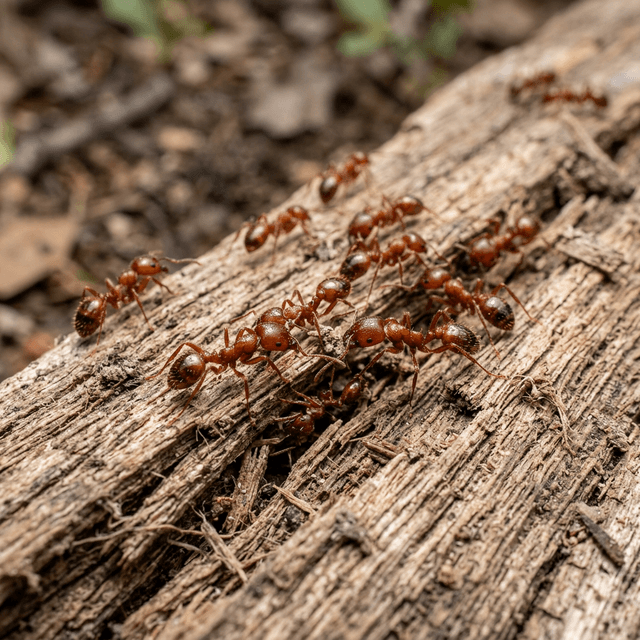
Ants
From pavement ants to carpenter ants, we identify and eliminate ant colonies at their source.
Learn more →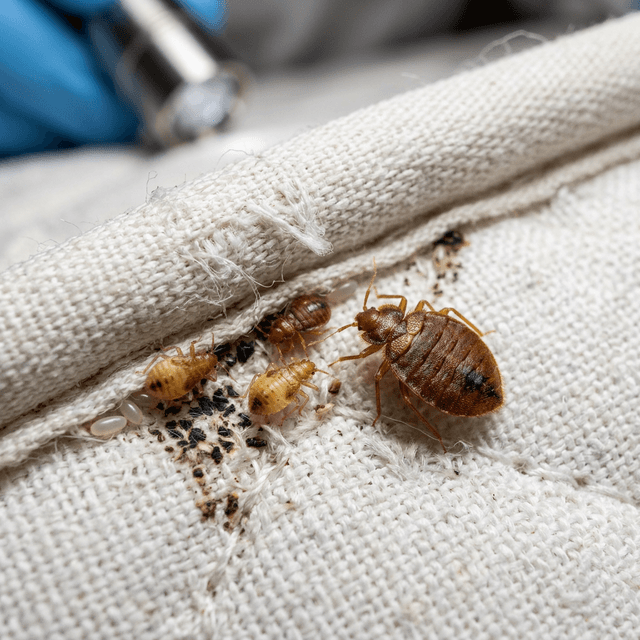
Bed Bugs
Heat treatments and targeted pesticide applications to fully eradicate bed bug infestations.
Learn more →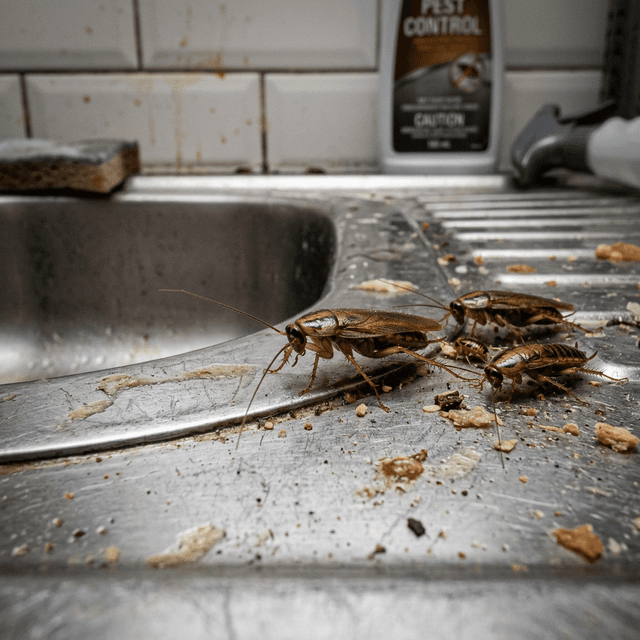
Cockroaches
Comprehensive cockroach elimination with gel baits, IGRs, and preventive exclusion methods.
Learn more →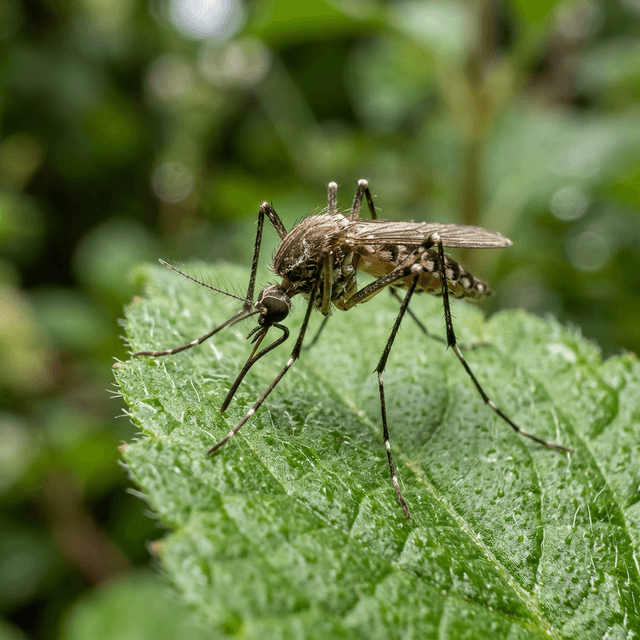
Mosquitoes
Barrier treatments and larval source reduction to protect your family from mosquito-borne illness.
Learn more →