
Pests in Pennsylvania: Month-by-Month Pest Activity Calendar for 2026
Pennsylvania's climate fuels predictable seasonal pest cycles. This month-by-month guide details when termites, mosquitoes, stinging insects, stink bugs, and rodents become active, and how to stay ahead of them.
Our Certified Entomologists
Pennsylvania Pest Services
Pests in Pennsylvania follow predictable seasonal patterns, but many homeowners only react once an infestation becomes visible. Understanding when specific pests become active can help prevent costly damage, reduce health risks, and allow treatment before populations expand.
Pennsylvania's climate creates ideal conditions for a wide variety of pests. Cold winters suppress some activity, while warm, humid summers fuel rapid population growth among insects, rodents, and wood-destroying pests. From termite swarms in spring to rodent invasions during fall, every season presents different challenges for homeowners across the Commonwealth.
Whether you live in Philadelphia, Pittsburgh, Harrisburg, Lancaster, Allentown, Erie, Scranton, or a rural township, this month-by-month Pennsylvania pest calendar explains what to expect throughout 2026.
Why Pest Activity Varies Throughout Pennsylvania
Pennsylvania sits within multiple climate zones that influence pest behavior. Southeastern Pennsylvania often experiences earlier pest activity than northern counties due to slightly warmer temperatures. Urban centers such as Philadelphia and Pittsburgh may also see extended pest seasons because heat-retaining infrastructure creates warmer microclimates.
Several factors drive seasonal pest activity:
- Temperature fluctuations across regional microclimates
- Rainfall patterns and melting snow accumulation
- High humidity levels during peak summer months
- Agricultural activity in rural townships
- Urban development and construction site disturbances
- Aging housing stock with structural vulnerabilities
- Forested landscapes and mature tree canopies near foundations
January: Rodents Take Center Stage
January is one of the busiest months for indoor rodent infestations. As temperatures remain near freezing, mice and rats seek food, water, and shelter inside heated structures. Rodent pressure remains highest in older homes with foundation gaps and aging utility penetrations.
Common January pests include:
- House mice
- Norway rats
- Roof rats
- Pantry pests
Signs of rodent activity:
- Droppings along baseboards and inside cabinets
- Scratching or scurrying sounds in walls and ceilings
- Gnaw marks on food packaging and structure wiring
- Nesting materials like shredded paper and insulation
Pennsylvania homeowners often discover rodent infestations in basements, garages, attics, and utility rooms.
February: Hidden Winter Infestations Continue
Although outdoor insect activity remains low, indoor pest problems often intensify. German cockroaches become particularly active in heated apartment buildings and multifamily housing. Properties with moisture issues may also experience silverfish activity. February is also an excellent month for exclusion work because outdoor vegetation has not yet concealed structural entry points.
Common February pests:
- Mice and rats seeking consistent warmth
- German cockroaches in kitchens and bathrooms
- Pantry moths in dry food storage
- Silverfish in high-humidity zones
March: Carpenter Ant Season Begins
As temperatures begin rising, carpenter ants emerge from winter inactivity. Pennsylvania homes surrounded by mature trees often experience increased carpenter ant activity. Moisture-damaged wood becomes especially attractive during this period. March is also when many homeowners first notice overwintering insects emerging from wall voids and attic spaces.
Common March pests:
- Carpenter ants excavating structural wood
- Cluster flies emerging in attic spaces
- Boxelder bugs crawling out of wall voids
- Early termite activity near warm foundations
April: Termite Swarm Season Starts
April marks one of the most important months in Pennsylvania pest management. Termite swarms often begin appearing as temperatures warm and spring rains increase soil moisture. Termite swarmers are frequently mistaken for flying ants, but their presence indicates a nearby colony.
Common April pests:
- Eastern subterranean termites
- Carpenter ants
- Pavement ants
- Stinging insects
Signs of termite swarms:
- Flying insects near windows or light sources
- Shed wings on windowsills and floors
- Mud tubes along foundation walls and piers
May: Mosquito and Tick Activity Accelerates
May marks the beginning of Pennsylvania's outdoor pest season. Warmer temperatures and increased rainfall create ideal breeding conditions. Tick activity increases significantly in wooded areas, tall grass, hiking trails, and property edges. Lyme disease remains a major concern throughout Pennsylvania.
Common May pests:
- Mosquitoes
- Ticks (specifically deer ticks)
- Ants
- Wasps
Mosquito breeding sites include birdbaths, clogged gutters, children's toys, flower pots, and any standing water.
June: Peak Household Pest Activity Begins
June is one of the busiest pest months of the year. Warm temperatures and rising humidity accelerate insect reproduction. June also represents one of the highest-demand periods for pest control services, which is why preventative treatments provide the greatest value.
Common household pests in Pennsylvania during June:
- Ants (kitchen invasions)
- Mosquitoes (outdoor outbreaks)
- Wasps (nest construction)
- Yellowjackets
- Cockroaches
- Termites
July: Mosquitoes Reach Peak Levels
July's combination of heat and humidity creates ideal mosquito conditions. Pennsylvania experiences heavy mosquito pressure in wetlands, river valleys, lake communities, and suburban neighborhoods with irrigation systems. Mosquito populations can expand rapidly following heavy summer rainfall.
Common July pests:
- Mosquitoes (peak population)
- Ticks in overgrown brush
- Ants seeking indoor moisture
- Cockroaches in damp crawl spaces
August: Yellowjacket Aggression Increases
August brings some of Pennsylvania's most aggressive stinging insect activity. Yellowjacket colonies reach peak size during late summer. Unlike bees, yellowjackets can sting repeatedly and often become aggressive when nests are disturbed. Homeowners should avoid attempting nest removal without proper equipment.
Common August pests:
- Yellowjackets (highly active and aggressive)
- Wasps
- Hornets
- Mosquitoes
Common stinging insect nesting locations include ground voids, landscape beds, wall voids, and utility boxes.
September: Rodent Movement Begins
As temperatures begin cooling, rodents start preparing for winter. Rodents begin exploring structures for shelter, and many infestations discovered in winter actually begin during September. Spiders also become more noticeable as they search for mates and food sources. September is one of the best months to seal entry points before winter invasions begin.
Common September pests:
- Mice and rats migrating to structures
- Spiders seeking mates and food
- Stink bugs gathering on warm exteriors
October: Stink Bug Invasions Peak
Pennsylvania is one of the states most affected by Brown Marmorated Stink Bugs, and October is prime stink bug season. Stink bugs gather on siding, windows, rooflines, and south-facing walls with the goal of locating overwintering sites inside structures. Large numbers can enter homes through surprisingly small gaps.
Common October pests:
- Brown marmorated stink bugs
- Mice
- Rats
- Spiders
November: Indoor Pest Pressure Increases
November marks the transition from outdoor pest issues to indoor infestations. Rodents become increasingly dependent on indoor environments. Homeowners often discover rodent infestations around stored holiday decorations. Common entry points include utility penetrations, foundation cracks, garage door gaps, and roofline openings.
Common November pests:
- Mice
- Rats
- Cockroaches
- Pantry pests
December: Winter Rodent Season
December completes Pennsylvania's annual pest cycle. Rodent activity often becomes more noticeable because animals remain indoors for extended periods. Winter infestations frequently persist until spring without intervention.
Common December pests:
- House mice
- Norway rats
- Cockroaches
- Pantry moths
Signs of winter activity include scratching noises, droppings, gnawed packaging, and food contamination.
The Most Common Household Pests in Pennsylvania
Across the entire year, Pennsylvania homeowners most frequently encounter a specific group of invaders. These pests account for the majority of residential pest control service calls throughout the state:
- House mice and Norway rats seeking shelter
- Carpenter ants and Eastern subterranean termites attacking wood
- German cockroaches in high-moisture zones
- Mosquitoes and ticks carrying viruses and Lyme disease
- Wasps and yellowjackets building nests in summer
- Brown marmorated stink bugs invading siding in autumn
Which Pests Cause the Most Property Damage?
Not all pests create equal risk. The most destructive pests in Pennsylvania include:
- Termites — consume structural wood and often remain hidden for years.
- Carpenter Ants — excavate wood to build nesting galleries.
- Rodents — damage wiring, insulation, plumbing, and stored materials.
- Carpenter Bees — repeated nesting can damage wooden structures over time.
Which Pennsylvania Pests Create Health Risks?
Certain pests create concerns beyond property damage, posing direct risks to human health:
- Rodents — can contaminate food and spread disease organisms.
- Mosquitoes — associated with West Nile virus transmission.
- Ticks — can transmit Lyme disease and other serious illnesses.
- Cockroaches — known to trigger asthma and allergy symptoms.
How Pennsylvania Homeowners Can Stay Ahead of Seasonal Pest Problems
The most effective strategy is prevention. Addressing risk factors before pest populations expand is generally more effective than reacting after infestations develop.
Recommended preventative steps include:
- Seal structural gaps and foundation cracks with caulk and steel wool
- Reduce moisture sources by repairing leaks and improving basement ventilation
- Store food properly in airtight glass or metal containers
- Remove standing water weekly from birdbaths, gutters, and toys
- Maintain landscaping by keeping branches and grass trimmed short
- Inspect foundations regularly for mud tubes or rodent grease marks
- Schedule preventative seasonal inspections with local extermination experts
Pennsylvania Pest Calendar 2026 Summary
Understanding pests in Pennsylvania requires recognizing that different species become active at different times of the year. Termites dominate spring, mosquitoes and stinging insects peak during summer, stink bugs emerge in fall, and rodents take over during winter. For homeowners throughout Pennsylvania, the most effective pest management strategy is seasonal awareness. Knowing which pests are active each month allows property owners to identify problems earlier, reduce damage, and implement preventative measures before infestations become costly.
Frequently Asked Questions
What is the most active pest season in Pennsylvania?
When do rodents become a problem for Pennsylvania homeowners?
What is the best month for termite treatments and inspections in PA?
Ready to Protect Your Home?
Get a free inspection from Pennsylvania's trusted pest control experts. No obligation, no pressure.
Explore Our Pest Library
Identify Pennsylvania pests and learn about professional treatment options.
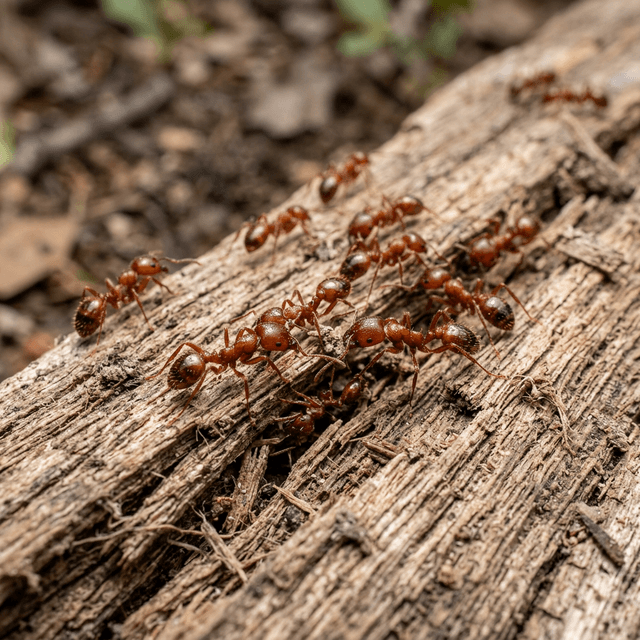
Ants
From pavement ants to carpenter ants, we identify and eliminate ant colonies at their source.
Learn more →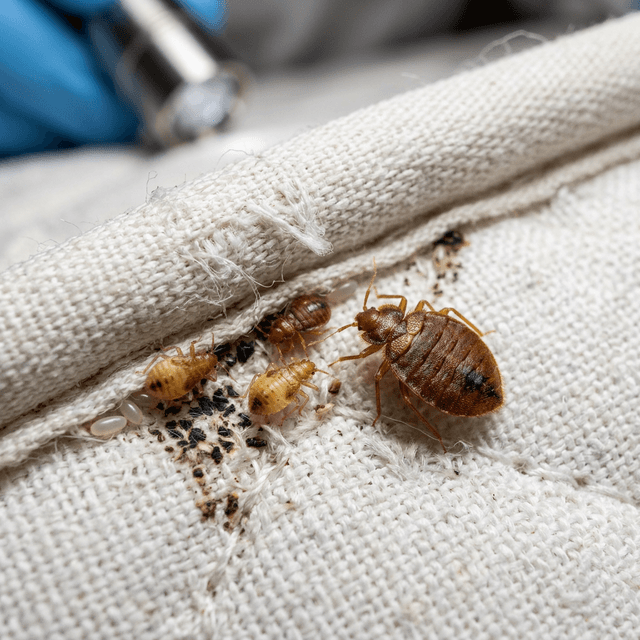
Bed Bugs
Heat treatments and targeted pesticide applications to fully eradicate bed bug infestations.
Learn more →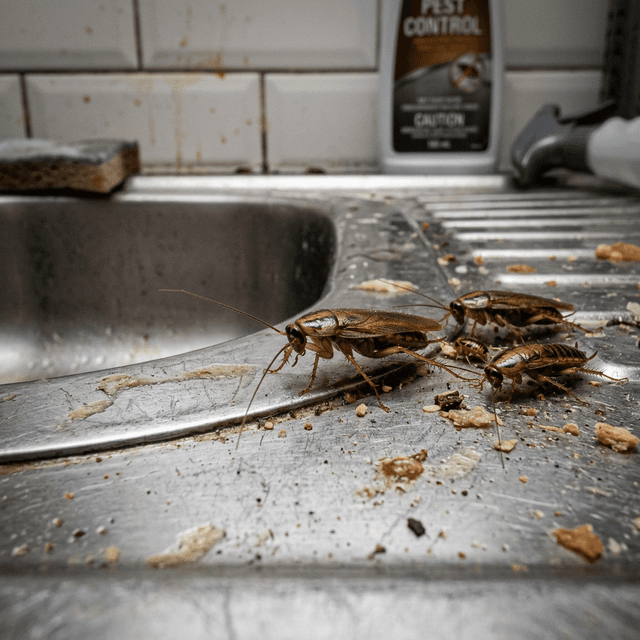
Cockroaches
Comprehensive cockroach elimination with gel baits, IGRs, and preventive exclusion methods.
Learn more →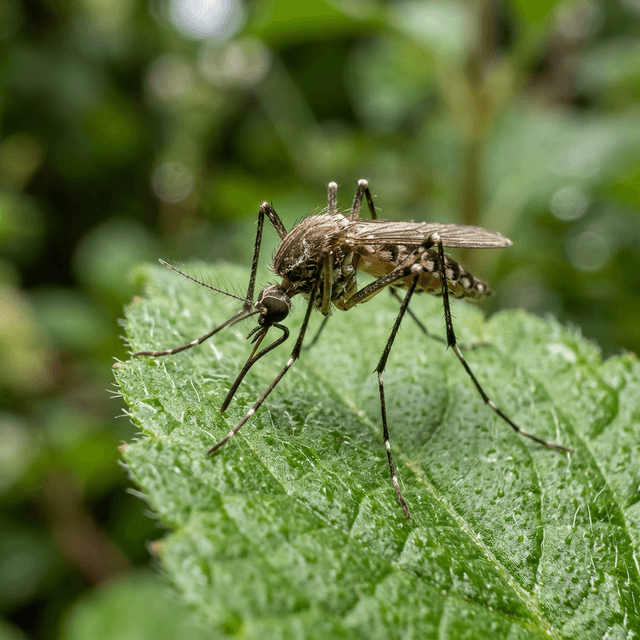
Mosquitoes
Barrier treatments and larval source reduction to protect your family from mosquito-borne illness.
Learn more →