
Termites in Pennsylvania: Identification, Damage, Treatment Costs, and Prevention Guide for 2026
Eastern subterranean termites are found throughout Pennsylvania — from Philadelphia rowhouses to Lancaster farmhouses. Learn how to identify termite activity, understand treatment costs, and protect your home.
Our Certified Entomologists
Pennsylvania Pest Services
Termites in Pennsylvania cause significant structural damage every year, particularly in older homes, properties with moisture issues, and buildings with wood-to-soil contact. While many homeowners associate termites with southern states, Pennsylvania has established populations of Eastern subterranean termites throughout the Commonwealth. These colonies operate underground, often causing hidden damage for years before visible signs appear.
From Philadelphia rowhouses and Pittsburgh basements to Lancaster farmhouses and suburban homes throughout Central Pennsylvania, termite infestations remain one of the most expensive pest problems property owners face.
Are There Termites in Pennsylvania?
Yes. The primary species responsible for structural damage is the Eastern Subterranean Termite (Reticulitermes flavipes). Penn State Extension identifies this species as the most important termite pest affecting Pennsylvania homes. Unlike ants or cockroaches that remain visible, subterranean termites spend most of their lives underground or inside structural wood. As a result, infestations frequently go undetected until substantial damage has already occurred.
Termite activity has been documented throughout Philadelphia, Montgomery, Bucks, Chester, Delaware, Allegheny, Lancaster, York, Dauphin, Berks, Lehigh, Northampton, and Cumberland counties — making termite inspection Pennsylvania services relevant regardless of whether a property is located in a major city, suburb, or rural township.
Why Pennsylvania Homes Are Vulnerable to Termites
Several characteristics make Pennsylvania particularly favorable for subterranean termite activity.
Aging Housing Stock
Pennsylvania contains some of the oldest residential housing inventory in the United States. Many structures were built decades before modern termite prevention standards existed. Common vulnerabilities include stone foundations, basement moisture, untreated structural lumber, foundation cracks, crawlspaces, and older plumbing systems.
Moisture and Humidity
Termites require moisture to survive. Properties experiencing leaking gutters, poor grading, standing water, basement condensation, plumbing leaks, or improper drainage face measurably higher termite risk.
Wood-to-Soil Contact
Direct wood contact with soil remains one of the strongest termite risk factors. Common examples include deck posts, porch supports, fence posts, siding extending below grade, and landscaping timbers.
Signs of Termites in Pennsylvania Homes
Recognizing early warning signs can significantly reduce repair costs.
Mud Tubes Along Foundations
Subterranean termites build protective mud tubes connecting underground colonies to food sources. These tubes appear along foundation walls, inside crawlspaces, near utility penetrations, and around basement walls.
Spring Swarms
One of the most common signs of termites in Pennsylvania occurs during spring. Homeowners may observe flying termites near windows, swarming insects around lights, discarded wings on floors, or dead swarmers near doors.
Hollow Wood and Structural Symptoms
Damaged wood often sounds hollow when tapped because termites consume internal cellulose while leaving exterior surfaces intact. Advanced infestations can produce bubbling or peeling paint, sagging floors, sticking doors, cracked drywall, and window alignment issues.
Eastern Subterranean Termites in Pennsylvania
The Eastern subterranean termite is responsible for the overwhelming majority of termite damage Pennsylvania homeowners experience. Colonies may contain hundreds of thousands of individuals — cream-colored workers, dark swarmers with wings, and soldiers — all feeding 24 hours a day. This hidden behavior explains why termite damage Pennsylvania property owners encounter often appears suddenly despite years of prior activity.
Pennsylvania Cities With High Termite Activity
- Philadelphia — Historic rowhouses, aging infrastructure, and moisture-prone basements create ideal termite conditions.
- Pittsburgh — Older housing stock and foundation moisture contribute to year-round termite risk.
- Lancaster — Farm properties frequently contain multiple wood structures and outbuildings that can support termite activity.
- Harrisburg — Suburban development and mature landscaping create favorable environments for colonies.
- Allentown and Bethlehem — The Lehigh Valley reports ongoing termite activity tied to older homes and expanding development.
How Much Does Termite Treatment Cost in Pennsylvania?
| Service | Typical Cost |
|---|---|
| Termite Inspection | $75 – $250 |
| Preventative Inspection Program | $150 – $500 yearly |
| Bait Station Installation | $800 – $2,500 |
| Liquid Barrier Treatment | $1,000 – $3,500 |
| Large Property Treatment | $3,000 – $6,000+ |
| Structural Repairs | Varies widely |
Termite treatment Pennsylvania pricing depends on property size, infestation severity, accessibility, treatment method, and ongoing monitoring requirements.
Termite Inspection Pennsylvania: When to Schedule One
Professional termite inspections are recommended before purchasing a home, during real estate transactions, after discovering mud tubes, following termite swarms, and annually for high-risk properties. Many infestations are discovered during WDI (Wood Destroying Insect) inspections performed as part of home sales.
Termite Prevention in Pennsylvania
- Eliminate moisture sources — repair leaking pipes, improve drainage, clean gutters, correct grading issues
- Maintain separation between wood components and soil around the entire structure
- Store firewood at least 20 feet from the foundation
- Seal foundation gaps around utilities and structural penetrations
- Schedule annual professional inspections to catch activity before damage escalates
Termites in Pennsylvania: Key Takeaway
Unlike seasonal pests such as wasps or stink bugs, termites in Pennsylvania attack the structure itself year-round. A colony can remain active 24 hours a day, silently consuming wood inside walls, floors, crawlspaces, and foundations. For homeowners across the Commonwealth, the most important takeaway is simple: early detection costs far less than structural repair. Regular termite inspections Pennsylvania, moisture management, and preventative monitoring remain the most effective ways to protect residential and commercial properties.
Frequently Asked Questions
Are termites common in Pennsylvania?
How much does termite treatment cost in Pennsylvania?
What are the early signs of termites in Pennsylvania homes?
When do termites swarm in Pennsylvania?
Ready to Protect Your Home?
Get a free inspection from Pennsylvania's trusted pest control experts. No obligation, no pressure.
Explore Our Pest Library
Identify Pennsylvania pests and learn about professional treatment options.
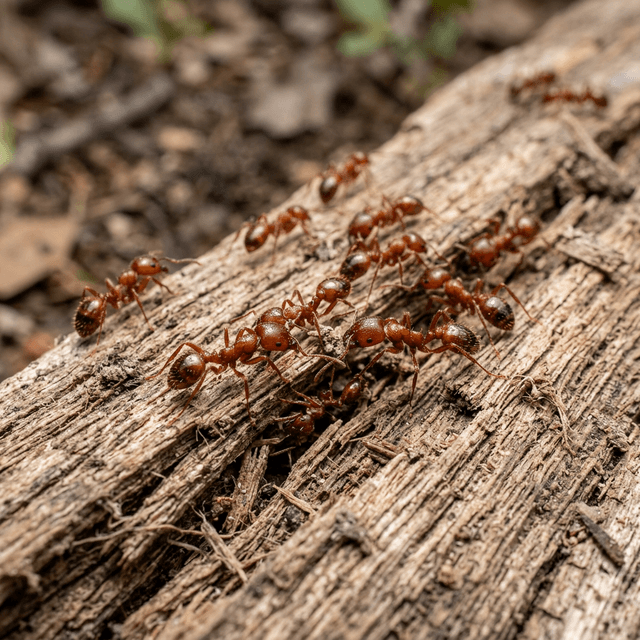
Ants
From pavement ants to carpenter ants, we identify and eliminate ant colonies at their source.
Learn more →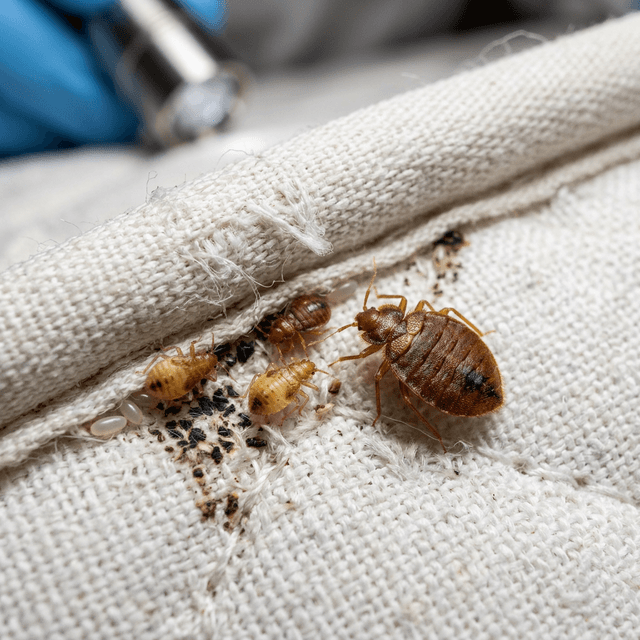
Bed Bugs
Heat treatments and targeted pesticide applications to fully eradicate bed bug infestations.
Learn more →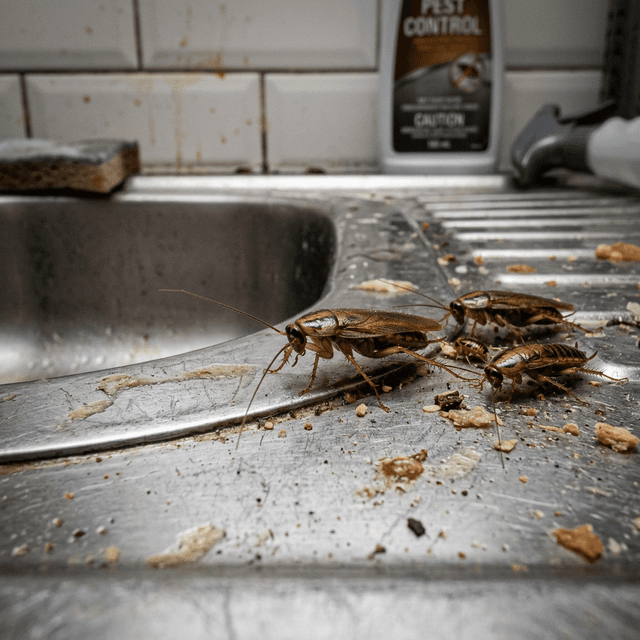
Cockroaches
Comprehensive cockroach elimination with gel baits, IGRs, and preventive exclusion methods.
Learn more →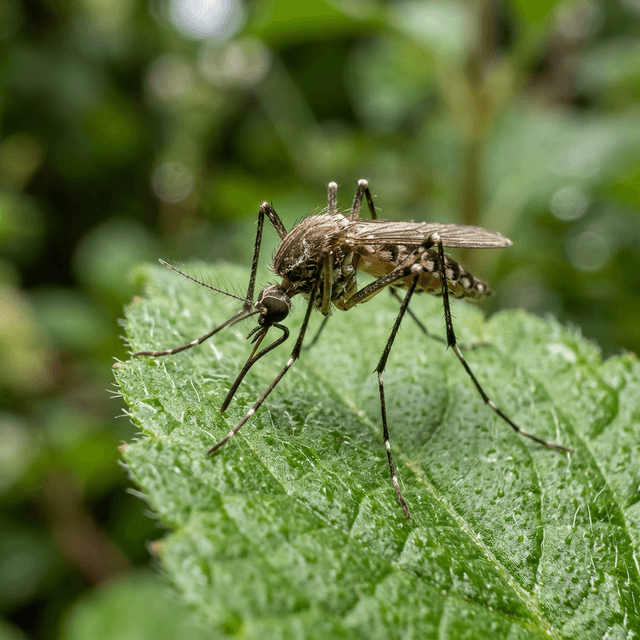
Mosquitoes
Barrier treatments and larval source reduction to protect your family from mosquito-borne illness.
Learn more →