
Common Household Pests in Pennsylvania: What Homeowners Are Actually Dealing With in June 2026
Common household pests in Pennsylvania are driven by aging housing stock, humid summers, and suburban expansion. Learn what ants, termites, mosquitoes, and rodents are doing in June and why your home is at risk.
Our Certified Entomologists
Pennsylvania Pest Services
Common household pests in Pennsylvania are not a single species. They are the result of a collision between Pennsylvania's aging housing stock, humid early-summer weather, expanding suburban development, and the state's position between the Northeast Corridor and the Midwest. June is the month when many Pennsylvania infestations become visible for the first time. Ant colonies that spent spring expanding underground begin entering kitchens. Subterranean termite colonies accelerate feeding activity after seasonal rainfall. Mosquito populations emerge from standing water left behind by late-spring storms. Rodents that survived winter inside structures continue breeding in attics, basements, and wall voids.
Understanding why these pests appear in June requires understanding Pennsylvania itself.
Pennsylvania's Housing Problem Creates Pest Opportunities
Pennsylvania contains one of the oldest housing inventories in America. Cities such as Philadelphia, Pittsburgh, Scranton, Allentown, Bethlehem, Harrisburg, and Reading still contain large numbers of homes built before 1960. Many were constructed long before modern pest exclusion practices became standard.
Structural Characteristics of Older Pennsylvania Homes
Older homes often contain features that create thousands of hidden access points for pests:
- Stone foundations with shifting mortar joints
- Aging mortar joints that crack and separate over time
- Basement moisture issues from poor drainage and grading
- Original wood framing susceptible to moisture damage and insect activity
- Utility penetrations that have expanded over decades of settling
Regional Housing and Pest Pathways
In Philadelphia rowhouses, rodents can travel through shared wall cavities across entire blocks. In Pittsburgh hillside homes, foundation movement creates entry gaps that expand with each freeze-thaw cycle. Throughout central Pennsylvania, older farmhouses often contain crawlspaces and outbuildings that support year-round pest activity.
The pest issue is often not sanitation. It is infrastructure.
Why June Changes Everything for Pennsylvania Pest Activity
Most homeowners notice pests in summer, but the biological processes begin much earlier. By June, soil temperatures have risen enough to support aggressive colony expansion among ants and termites. Rainfall increases soil moisture, vegetation growth accelerates, and insect populations enter their reproductive cycle.
Ideal Conditions Created by Pennsylvania's June Climate
Pennsylvania's average June climate creates ideal conditions for:
- Ant foraging and colony relocation into structures
- Termite feeding acceleration in moist soil conditions
- Mosquito breeding in standing water from late-spring storms
- Cockroach population growth in warm, humid basements
- Spider expansion following increased prey availability
This is the month when outdoor populations begin interacting heavily with indoor environments. The result is not necessarily an infestation overnight. It is the beginning of one.
Ants Are Pennsylvania's Most Misunderstood Household Pest
Most homeowners think ants appear because food was left out. In reality, June ant invasions are often driven by moisture. Pennsylvania experiences frequent late-spring rainfall followed by warming temperatures. Saturated soil forces colonies to expand and relocate. Worker ants begin exploring structures in search of stable environmental conditions.
Ant Species Common in Pennsylvania Homes
Argentine ants dominate many urban environments nationally, but Pennsylvania homeowners are more likely to encounter:
- Pavement ants — commonly found nesting under sidewalks, driveways, and foundation slabs
- Carpenter ants — large ants that excavate moisture-damaged wood for nesting galleries
- Odorous house ants — small ants that emit a distinct smell when crushed
Why Carpenter Ants Deserve Special Attention
Carpenter ants deserve particular attention. Unlike termites, they do not consume wood. Instead, they excavate weakened or moisture-damaged wood to create nesting galleries. Their presence often signals an underlying moisture problem rather than a simple pest issue.
When carpenter ants appear in June, they are frequently acting as indicators of a structural condition that already exists.
The Real Threat of Termites Is What You Cannot See
Termites remain one of the most expensive household pests in Pennsylvania because they operate almost entirely out of sight. Most active colonies spend their lives underground.
Visible Signs of Termite Activity
A homeowner may see only subtle indicators:
- A few discarded wings near windows or light sources
- Slightly blistered or bubbling paint on wood surfaces
- A section of soft or hollow-sounding wood
Yet the colony may have been active for years.
June Termite Activity and Soil Conditions
June is significant because Pennsylvania termite activity often intensifies after spring rains. Moist soil conditions allow subterranean termites to expand foraging tunnels and increase feeding activity. Many infestations discovered during summer actually began long before the homeowner observed damage.
The visible signs are often the final stage of a much longer process.
Mosquitoes Reflect the Landscape Around the Home
Mosquito activity is rarely about the property itself. It is usually about the surrounding environment.
Environmental Factors Driving Mosquito Pressure in Pennsylvania
Pennsylvania contains landscape features that sustain mosquito populations at scale:
- Floodplains along major river corridors
- Stormwater retention systems in suburban developments
- Wetlands and protected natural areas
- Agricultural irrigation zones throughout central Pennsylvania
- Urban drainage networks in older cities
A homeowner may eliminate every source of standing water on their property and still experience mosquito pressure generated by nearby environmental conditions.
June Mosquito Population Growth
June marks the transition from nuisance-level activity to population expansion. A single week of rain followed by warm temperatures can dramatically increase mosquito numbers across entire neighborhoods. This is particularly common throughout southeastern Pennsylvania and river-adjacent communities.
Rodents Never Really Leave Pennsylvania Homes
One of the most persistent myths in pest control is that rodents are a winter problem. Winter simply makes them easier to notice. Mice and rats continue breeding throughout the year when food and shelter remain available.
Summer Rodent Activity Signs
By June, many rodent populations established during winter have already produced multiple generations. This explains why homeowners often discover:
- Increased droppings in previously clean areas
- New nesting materials in attics, basements, and garages
- Fresh gnaw marks on wiring, food containers, and structural wood
- Additional activity zones beyond the original infestation area
Summer rodent control is often less about preventing entry and more about discovering colonies that have already been active for months.
Pennsylvania's Urban Geography Creates Unique Pest Pressures
Philadelphia's rowhouses create different pest pathways than Pittsburgh's hillside homes. Lancaster's agricultural landscape creates different pressures than downtown Harrisburg. Lehigh Valley suburbs experience different risks than Scranton's older neighborhoods.
Local Ecosystems That Influence Pest Behavior
This is why the phrase "common household pests in Pennsylvania" is somewhat misleading. There is no single Pennsylvania pest environment. Instead, there are dozens of local ecosystems influenced by:
- Housing age and construction materials
- Population density and neighboring property conditions
- Regional climate patterns and rainfall frequency
- Infrastructure age and maintenance levels
- Land use, development patterns, and zoning
- Proximity to water systems, floodplains, and drainage corridors
The pests may be similar, but the reasons they thrive are often completely different.
What Pennsylvania Homeowners Should Do in June
June is a critical window for pest management in Pennsylvania. If you are noticing early signs of ants in the kitchen, discarded wings near windows, mosquito pressure in your yard, or scratching sounds in walls, these are indicators that pest populations have already established activity around your property.
At Pennsylvania Pest Services, we approach every home based on the specific conditions driving pest activity — housing age, regional environment, structural vulnerabilities, and seasonal timing. Rather than applying generic treatments, we identify the root cause and build a targeted strategy to prevent escalation.
If you are dealing with any of the common household pests in Pennsylvania described above, call (844) 578-0573 for a professional inspection. Early intervention in June can prevent a minor presence from becoming a full infestation by midsummer.
Frequently Asked Questions
What are the most common household pests in Pennsylvania during June?
Why does Pennsylvania's housing stock attract more pests than newer homes?
Are carpenter ants as destructive as termites in Pennsylvania?
Do rodents really stay active inside Pennsylvania homes during summer?
Ready to Protect Your Home?
Get a free inspection from Pennsylvania's trusted pest control experts. No obligation, no pressure.
Explore Our Pest Library
Identify Pennsylvania pests and learn about professional treatment options.
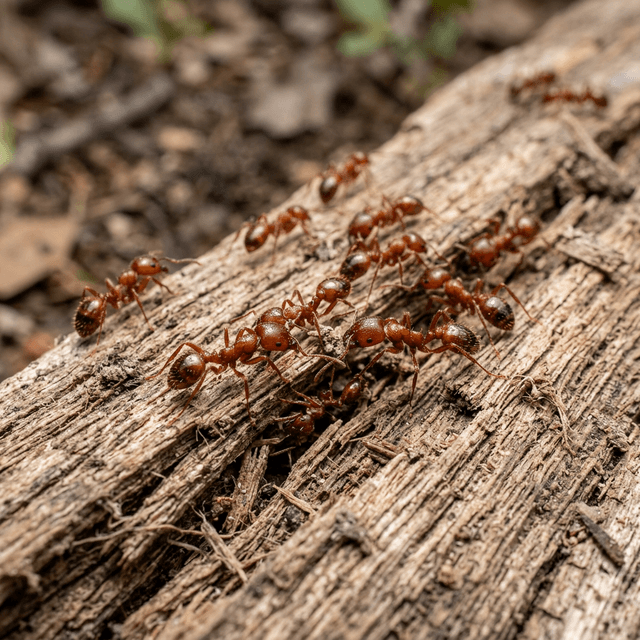
Ants
From pavement ants to carpenter ants, we identify and eliminate ant colonies at their source.
Learn more →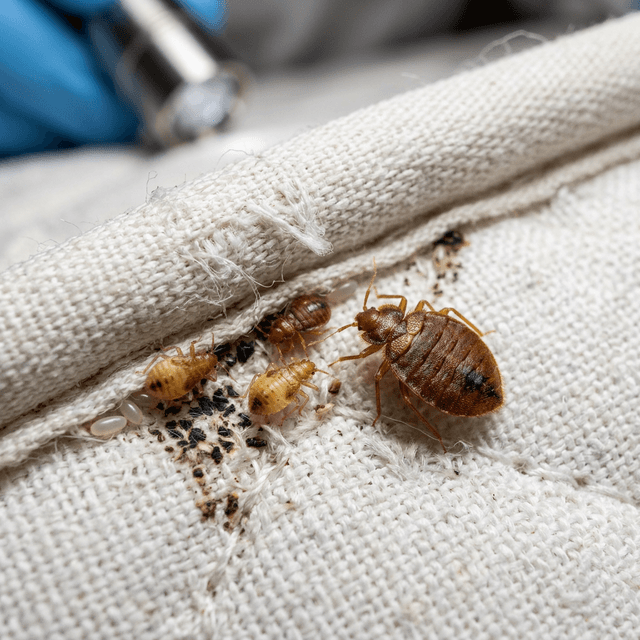
Bed Bugs
Heat treatments and targeted pesticide applications to fully eradicate bed bug infestations.
Learn more →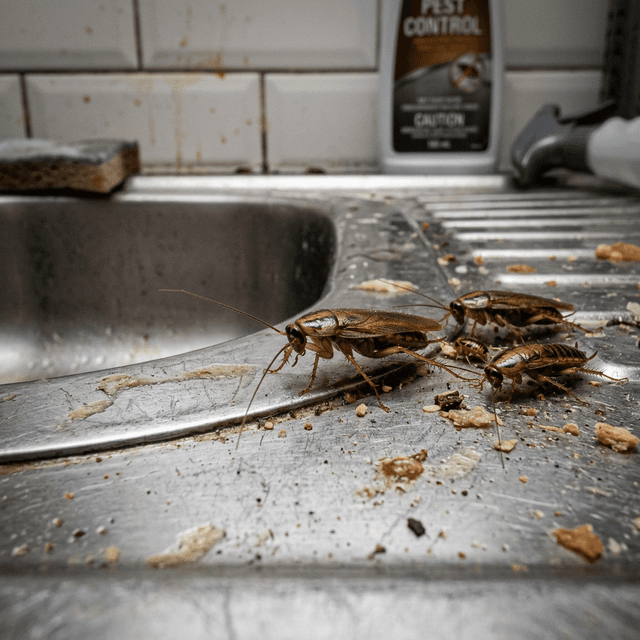
Cockroaches
Comprehensive cockroach elimination with gel baits, IGRs, and preventive exclusion methods.
Learn more →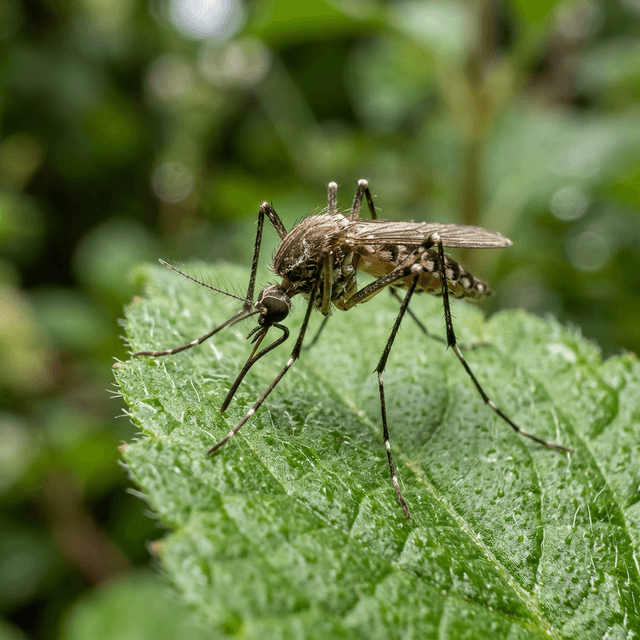
Mosquitoes
Barrier treatments and larval source reduction to protect your family from mosquito-borne illness.
Learn more →