Carpenter Ants in Pennsylvania: Identification, Damage, Treatment Costs, and Prevention Guide for 2026
Carpenter ants in Pennsylvania cause serious structural damage to homes by nesting in wood. Learn to identify carpenter ants, compare 2026 treatment costs ($150–$2,000+), and protect your property.
Our Certified Entomologists
Pennsylvania Pest Services
Carpenter ants in Pennsylvania are among the most misunderstood structural pests affecting homes across the Commonwealth. Many homeowners assume they have termites when they discover large black ants emerging from walls, window frames, basements, or decks. While carpenter ants do not eat wood like termites, they can still cause significant structural damage by excavating galleries inside damp or decaying wood.
Across Pennsylvania, carpenter ants are particularly common in older homes, wooded properties, historic neighborhoods, farmhouses, cabins, and structures with chronic moisture issues. From Philadelphia rowhouses and Pittsburgh century homes to Lancaster County farm properties and Pocono vacation homes, carpenter ant infestations present a serious threat to structural integrity.
Are Carpenter Ants Common in Pennsylvania?
Yes. Carpenter ants (specifically the black carpenter ant, Camponotus pennsylvanicus) are native to Pennsylvania and represent one of the most frequently encountered household pests. Penn State Extension notes that these ants play a vital ecological role in decomposing dead trees in forests, but they become structural pests when they migrate into human dwellings in search of nesting sites.
Why Pennsylvania Homes Are Vulnerable to Carpenter Ants
Aging Housing Stock
Pennsylvania has some of the oldest residential housing in the country. Older homes often feature aging wooden structures, settled foundations, and historic construction details that are more prone to leaks, rot, and moisture retention, creating the perfect environment for carpenter ants to establish colonies.
Abundant Wooded Properties
Many homes in Pennsylvania are built in or near heavily wooded areas, suburban tree canopies, or rural fields. Mature trees, decaying stumps, and fallen branches close to foundations act as natural breeding grounds, allowing carpenter ant colonies to easily forage and eventually migrate into nearby structures.
Chronic Moisture Problems
Carpenter ants are drawn to damp, soft wood. Properties with clogged gutters, leaking rooflines, poorly ventilated basements, crawl spaces, or plumbing leaks are at a much higher risk, as these moisture issues soften structural lumber, making it easy for ants to chew through and excavate.
How to Identify Carpenter Ants in Pennsylvania
Correctly identifying carpenter ants is crucial for effective treatment. Homeowners often mistake them for termites or common nuisance ants. Here are the key characteristics of carpenter ants:
- Size: They are among the largest ants in Pennsylvania, with workers ranging from 1/4 to 1/2 inch in length, and queens reaching up to 3/4 inch.
- Color: Usually dull black, though some species found in PA may have reddish-brown thorax segments.
- Shape: A distinct, evenly rounded thorax (back) and a single node connecting the thorax and abdomen, along with a heart-shaped head.
- Antennae: Elbowed (bent) antennae, unlike termites which have straight, bead-like antennae.
Carpenter Ants vs. Termites: Key Differences
It is common for homeowners to confuse carpenter ants with subterranean termites, especially during spring swarming seasons when both insects grow wings to reproduce. However, their behaviors and structural impacts differ significantly:
| Feature | Carpenter Ants | Subterranean Termites |
|---|---|---|
| Diet | Do not eat wood; feed on honeydew, insects, and sweet foods | Consume cellulose (wood, paper, cardboard) |
| Damage Type | Clean, smooth galleries with a sandpapered appearance | Rough galleries filled with mud, soil, and fecal matter |
| Body Shape | Pinched waist, segmented body with three distinct parts | Broad waist, straight cigar-shaped body |
| Wings | Forewings are longer than hindwings; wings stay attached | Four wings of equal size; wings detach easily |
| Antennae | Elbowed or bent | Straight and bead-like |
Signs of a Carpenter Ant Infestation
Since carpenter ants nest inside walls and wooden structures, they can remain hidden for months. Look out for the following warning signs:
Piles of Frass (Sawdust)
As carpenter ants excavate galleries, they push out wood debris. This waste, known as frass, looks like fine sawdust and is often found beneath wall voids, window frames, joists, or decks, and may contain dead ant parts.
Faint Rustling Sounds
Mature colonies can produce a faint rustling or clicking sound inside walls or ceilings, especially at night when the colony is most active. Tapping on a suspected wall may increase this activity and make the noise louder.
Swarming Winged Ants
Seeing winged carpenter ants (swarmers) inside your home is a major sign of a mature, established colony nesting within the structure. Winged ants swarming outdoors near the foundation also indicate high local pressure.
Damaged or Hollow Wood
Wood excavated by carpenter ants will have clean, smooth galleries running along the grain. Tapping on suspected beams, door frames, or joists that sound hollow can confirm internal damage.
How Much Does Carpenter Ant Treatment Cost in Pennsylvania?
| Service Type | Typical Cost Range |
|---|---|
| Professional Inspection | $75 – $250 |
| Minor Infestation Treatment (One-time) | $150 – $450 |
| Moderate / Multi-Colony Treatment | $300 – $800 |
| Extensive / Structural Infestation | $800 – $2,000+ |
| Ongoing Protection Plan (Annual) | $150 – $500 yearly |
Extermination costs for carpenter ants vary based on the size of the property, the severity of the infestation, and whether satellite nests are located inside or outside the structure.
Why Professional Treatment is Required
Many homeowners try to eliminate carpenter ants using store-bought sprays. While this might kill a few foraging workers, it rarely solves the problem. Carpenter ant colonies consist of a primary parent nest (often located outdoors in a tree stump or log) and multiple satellite nests (often inside home wall voids). Unless the technician locates and treats the primary queen, the colony will continue to thrive and expand. Professional pest control services utilize advanced baits and non-repellent transfer insecticides that workers carry back to the queen, ensuring complete elimination.
Carpenter Ant Prevention Guide
- Eliminate moisture sources — repair leaking pipes, clean gutters, and ensure proper drainage away from your foundation.
- Remove rotting wood — clear old tree stumps, decaying logs, and wood debris from your yard.
- Trim branches — keep tree limbs and bushes trimmed back so they do not touch your roof or siding, preventing bridges.
- Store firewood properly — keep firewood at least 20 feet away from the home and elevated off the ground.
- Seal foundation gaps — use caulk and steel wool to seal cracks around foundation vents, windows, and utility lines.
Carpenter Ants in Pennsylvania: Final Thoughts
Carpenter ants in Pennsylvania remain one of the most common wood-destroying pests affecting residential and commercial properties. Because they target damp, decaying wood, their presence is often a dual warning sign of both a pest infestation and an active moisture problem. To protect your home, regular inspection and immediate moisture correction are essential. If you suspect an infestation, contact Pennsylvania Pest Services today for a free inspection and customized treatment plan.
Frequently Asked Questions
Do carpenter ants eat wood like termites?
How can I tell the difference between carpenter ants and termites?
What attracts carpenter ants to Pennsylvania homes?
How much does carpenter ant extermination cost in PA?
Ready to Protect Your Home?
Get a free inspection from Pennsylvania's trusted pest control experts. No obligation, no pressure.
Explore Our Pest Library
Identify Pennsylvania pests and learn about professional treatment options.
Ants
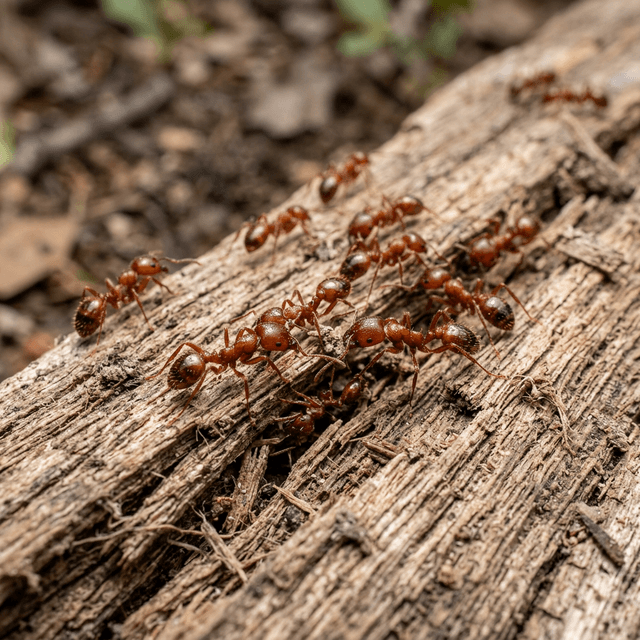
From pavement ants to carpenter ants, we identify and eliminate ant colonies at their source.
Learn more →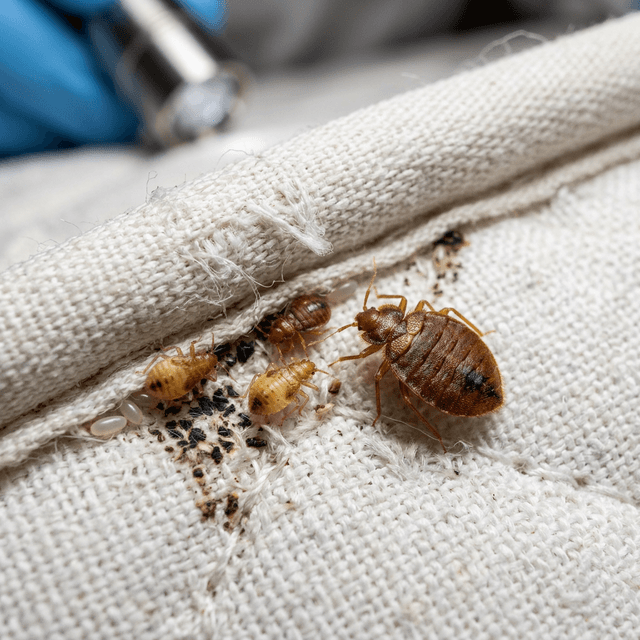
Bed Bugs
Heat treatments and targeted pesticide applications to fully eradicate bed bug infestations.
Learn more →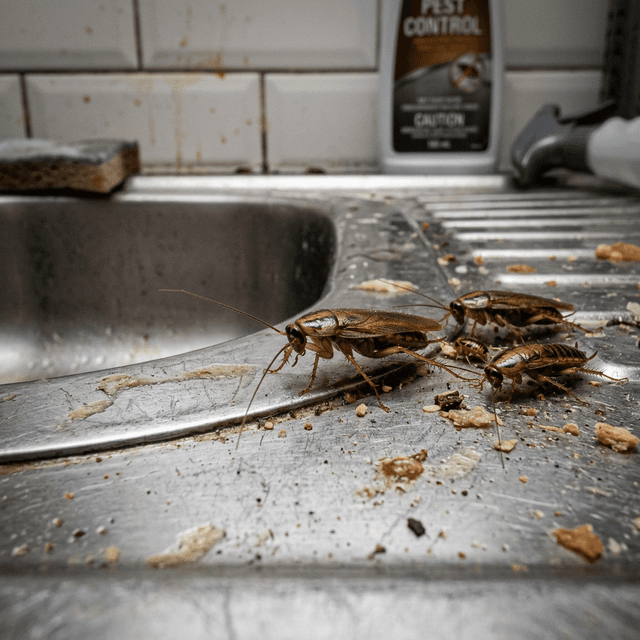
Cockroaches
Comprehensive cockroach elimination with gel baits, IGRs, and preventive exclusion methods.
Learn more →
Mosquitoes
Barrier treatments and larval source reduction to protect your family from mosquito-borne illness.
Learn more →